
Francis Ford Coppola is a legendary filmmaker known for his impact on cinema. Over the decades, he carved his name into history with films that have left a lasting impression. His storytelling ability and creative vision have inspired audiences and filmmakers alike.
His work spans various genres, showcasing a wide range of themes and styles that have captivated audiences worldwide. From epic dramas to intimate character studies, Coppola’s films are celebrated for their innovation and depth. His ability to craft compelling narratives has made him one of the most respected directors in the film industry.
1. The Godfather
Francis Ford Coppola’s classic film, The Godfather, is a masterpiece that redefined the gangster genre. Released in 1972, it remains a cultural touchstone, revered for its storytelling and powerful performances.
Marlon Brando and Al Pacino lead a stellar cast, portraying members of the Corleone crime family. The film explores themes of power, loyalty, and betrayal set against the backdrop of organized crime in America.
Why We Included this movie on the best movies directed by Francis Ford Coppola list
The Godfather set a benchmark in filmmaking with its rich narrative and complex characters. Its artistic achievements and commercial success continue to influence filmmakers worldwide. Recognized as one of the greatest films ever, it has earned its place on this list.
Quick Summary
The movie follows the Corleone family, led by patriarch Vito Corleone, played by Marlon Brando. When an attempt is made on his life, his son Michael, portrayed by Al Pacino, steps in to protect the family. The story delves into the underworld of mafia power struggles.
Interesting Facts or Trivia About The Godfather
- The iconic orange peel scene was not scripted; it was improvised by Brando on set.
- Coppola initially faced resistance from studio executives over casting Marlon Brando and Al Pacino.
- The film won three Academy Awards, including Best Picture.
Additional Information
- Movie: : The Godfather
- Movie Release Date: 1972
- Cast: Marlon Brando, Al Pacino, James Caan
- Director: Francis Ford Coppola
- IMDB Score: 9.2
- Rotten Tomatoes Score: 97%
- Box Office Performance: Over $250 million worldwide
2. Apocalypse Now
“Apocalypse Now” is a standout in Francis Ford Coppola’s filmography. Released in 1979, this epic war film is highly regarded for its breathtaking cinematography and deep narrative.
The movie is inspired by Joseph Conrad’s novella “Heart of Darkness,” with its setting shifted from Africa to the Vietnam War. The film takes viewers on a journey with a U.S. Army officer tasked with locating and assassinating a rogue colonel.
Why We Included this movie on the [Best Movies Directed by Francis Ford Coppola] list
“Apocalypse Now” is considered a classic in the history of cinema. Its impact lies in its storytelling, remarkable performances, and the exploration of the chaos of war. The film is frequently praised for its technical achievements and is a testament to Coppola’s vision and directing skills.
Quick Apocalypse Now Summary
The plot follows Captain Willard, played by Martin Sheen, as he navigates through Vietnam to find Colonel Kurtz, portrayed by Marlon Brando. Kurtz has gone renegade, immersed in the jungle, ruling over a small tribe as a god-like figure. The movie examines the moral ambiguities and psychological effects of war.
Interesting Facts or Trivia About Apocalypse Now
“Apocalypse Now” had a famously troubled production, with on-set challenges including severe weather and health issues for Sheen. Despite these problems, the film won two Oscars and remains a critical favorite.
Here’s a scene from “Apocalypse Now”:
- Movie: Apocalypse Now
- Movie Release Date: 1979
- Cast: Martin Sheen, Marlon Brando, Robert Duvall
- Director: Francis Ford Coppola
- IMDB Score: 8.5
- Rotten Tomatoes Score: 98%
- Box Office Performance: $150 million worldwide
3. The Godfather Part II
The Godfather Part II is a landmark film from 1974. Directed by Francis Ford Coppola, it’s both a sequel and a prequel to the original The Godfather. This movie continues the story of Michael Corleone as he tightens his grip on the Corleone family while also exploring Vito Corleone’s early life.
- Movie: The Godfather Part II
- Release date: 1974
- Cast: Al Pacino, Robert De Niro, Diane Keaton, Robert Duvall
- Director: Francis Ford Coppola
- IMDB score: 9.0
- Rotten Tomatoes score: 96%
- Box office performance: Approximately $48 million
Why We Included this movie on the best movies directed by Francis Ford Coppola list
This film is regarded as one of Coppola’s masterpieces. It won several Academy Awards and is lauded for its complex narrative structure. The film earned Coppola the Oscar for Best Director, cementing his place in cinematic history.
Quick The Godfather Part II Summary
In The Godfather Part II, Michael Corleone struggles to protect his family’s legacy while dealing with betrayal and danger. The film also flashes back to Vito Corleone’s rise to power in New York. The storytelling is rich, weaving between past and present to show the parallels between father and son.
Interesting Facts or Trivia About The Godfather Part II
Robert De Niro, who played the young Vito Corleone, won an Oscar for Best Supporting Actor. The movie is notable for being both a sequel and a prequel. It was the first sequel to win the Academy Award for Best Picture, showcasing Coppola’s storytelling prowess.
4. The Conversation
Released in 1974, “The Conversation” is a prime example of Francis Ford Coppola’s masterful direction. This neo-noir mystery thriller stars Gene Hackman, a notable figure in cinema, playing the lead role. The film delves into themes of privacy and morality through its intense storyline about surveillance.
Coppola’s work here shines, winning acclaim at international film festivals. It received the prestigious Palme d’Or at the Cannes Film Festival. This film is often highlighted in discussions about exceptional movies of the 1970s.
Why We Included this movie on the list
“The Conversation” stands out due to its intricate plot and strong performances. Gene Hackman’s portrayal of Harry Caul, a surveillance expert, delivers a compelling look into the mind of a man torn by guilt. The film’s ability to capture a sense of paranoia and ethical complexity makes it a crucial entry in Coppola’s filmography.
Quick The Conversation Summary
The film follows Harry Caul, who becomes entangled in a mystery after recording a conversation between two people. As he listens back to the tapes, he suspects a crime might occur. This leads him to question his own role and responsibility, crafting a narrative that is both suspenseful and thought-provoking.
Interesting Facts or Trivia About The Conversation
-
“The Conversation” was made in the years between Coppola’s first two “Godfather” movies, showcasing his filmmaking range.
-
Harrison Ford, known for his later roles, can be seen in a supporting part.
-
Coppola initially intended the film as a commentary on privacy issues, which remain relevant today. The film’s attention to sound design adds to its unique storytelling approach.
-
Movie Name: The Conversation
-
Movie Release Date: 1974
-
Cast: Gene Hackman, John Cazale, Allen Garfield, Cindy Williams, Frederic Forrest, Harrison Ford
-
Director: Francis Ford Coppola
-
IMDB Score: 7.8/10
-
Rotten Tomatoes Score: 97%
-
Box Office Performance: Limited financial data available
5. Patton
Patton is a remarkable film that showcases the life and challenges faced by U.S. General George S. Patton during World War II. Released in 1970, this epic biographical war film is directed by Franklin J. Schaffner and stars George C. Scott as Patton. The screenplay, co-written by Francis Ford Coppola and Edmund H. North, is based on biographies and memoirs about the general.
- Movie: : Patton
- Movie release date: 1970
- Cast: George C. Scott, Karl Malden, Michael Strong
- Director: Franklin J. Schaffner
- IMDb score: 8.0
- Rotten Tomatoes score: 94%
- Box office performance: Approximately $61 million worldwide
Why We Included this movie on the list
“Patton” is included for its excellent portrayal of a complex historical figure and its powerful storytelling. The film’s critical acclaim and ability to capture Patton’s bold personality make it a quintessential war film. The screenplay by Coppola adds depth, making it a standout in his career.
Quick Patton Summary
The movie follows General George S. Patton as he commands the American forces in Europe during World War II. It highlights his military tactics, clashes with other generals, and his often controversial, yet charismatic leadership style. The film opens with his famous speech to the Third Army, setting the tone for this intense and dramatic war saga.
Interesting Facts or Trivia About Patton
George C. Scott’s performance was so compelling that he won an Academy Award for Best Actor, which he famously declined. The opening monologue is considered one of the best in film history. Interestingly, the film used real tanks and artillery, adding to the authenticity of the battle scenes. The film also had input from General Omar Bradley, one of Patton’s contemporaries, which enhanced its historical accuracy.
6. The Outsiders
“The Outsiders,” directed by Francis Ford Coppola, is a 1983 coming-of-age movie adapted from S.E. Hinton’s novel. Released on March 25, 1983, this film captures the tension between two rival groups, the Greasers and the Socs, in a small Oklahoma town during the 1960s.
Why We Included This Movie on the Best Movies Directed by Francis Ford Coppola List
This movie showcases Coppola’s remarkable ability to capture the raw emotions of youth. It’s a significant cultural piece that explores themes of class conflict and friendship. Its relevance and portrayal of teenage struggles make it a standout feature in Coppola’s filmography.
Quick The Outsiders Summary
Set in a 1960s Oklahoma town, “The Outsiders” revolves around the Greasers, a group of working-class teens, and their rivalry with the wealthier Socs. Tensions escalate when a Greaser accidentally kills a Soc, leading to a series of dramatic events that test the bonds of friendship and loyalty among the Greasers.
Interesting Facts or Trivia About The Outsiders
Coppola was inspired to create the film after receiving a letter from school students in Fresno, California. The film features many young actors who later became big stars, including Patrick Swayze, Tom Cruise, and Rob Lowe. The movie is praised for its faithful adaptation of Hinton’s novel and the performances of its ensemble cast.
- Movie: The Outsiders
- Movie Release Date: March 25, 1983
- Cast: C. Thomas Howell, Matt Dillon, Ralph Macchio, Patrick Swayze
- Director: Francis Ford Coppola
- IMDB Score: 7.1
- Rotten Tomatoes Score: 68%
- Box Office Performance: Approximately $33 million worldwide
7. Bram Stoker’s Dracula
Why we included this movie on the list
Francis Ford Coppola’s 1992 adaptation of Bram Stoker’s Dracula is notable for its unique visual style and strong performances. Its commitment to the gothic horror genre and faithful retelling of the classic novel sets it apart. The movie stands out as a significant piece in Coppola’s filmography for its ambitious and artistic execution.
Quick Bram Stoker’s Dracula summary
The film follows the story of Count Dracula, played by Gary Oldman, who moves to England in search of new blood and to spread his undead curse. He comes into conflict with Jonathan Harker and his fiancée, Mina Murray. The story unfolds with dramatic encounters and a battle led by Professor Van Helsing against the vampire.
Interesting facts or trivia about Bram Stoker’s Dracula
Gary Oldman’s performance as Dracula earned praise for its depth and emotion, adding layers to the traditional vampire character. The film is recognized for its practical effects, eschewing CGI in favor of in-camera tricks. Winona Ryder and Keanu Reeves were among the notable cast, which contributed to the film’s widespread appeal.
- Movie: : Bram Stoker’s Dracula
- Movie release date: 1992
- Cast: Gary Oldman, Winona Ryder, Anthony Hopkins, Keanu Reeves
- Director: Francis Ford Coppola
- IMDB score: 7.4/10
- Rotten Tomatoes score: 76%
- Box office performance: Approximately $215 million worldwide
8. Jack
Why we included this movie on the list
“Jack” is one of Francis Ford Coppola’s unique films, showcasing his ability to blend comedy and drama. Though it received mixed reviews, it demonstrates Coppola’s versatility and features Robin Williams in a memorable role. The film stands out in his filmography for its touching narrative and exploration of unusual themes about growing up.
Quick Jack summary
“Jack” tells the story of a young boy named Jack Powell, who ages four times faster than normal. This condition makes him appear as a 40-year-old man while only being ten years old. Starring Robin Williams, the film explores Jack’s challenges as he tries to fit into a world where he looks different from his peers but has the heart and soul of a child.
Interesting facts or trivia about the movie
-
“Jack” stars renowned actors such as Diane Lane, Jennifer Lopez, and Bill Cosby alongside Robin Williams.
-
The film, directed by Francis Ford Coppola, takes inspiration from several sources like the film “Big” and “The Curious Case Of Benjamin Button” in its portrayal of age disparity.
-
Despite the film’s mixed critical reception, it has gained a following due to Williams’ heartfelt performance that mixes humor with emotional depth.
-
Movie Name: Jack
-
Movie Release Date: 1996
-
Cast: Robin Williams, Diane Lane, Jennifer Lopez, Bill Cosby
-
Director: Francis Ford Coppola
-
IMDB Score: 5.8
-
Rotten Tomatoes Score: 17%
-
Box Office Performance: Approximately $58 million worldwide
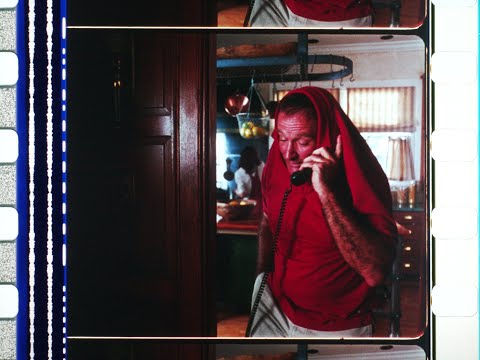
9. The Cotton Club
The Cotton Club is a 1984 musical crime drama directed by Francis Ford Coppola. It focuses on the famed Harlem nightclub during the Prohibition era, highlighting the vibrant jazz scene. Notable stars include Richard Gere, Gregory Hines, Diane Lane, and Lonette McKee. This film stands out for its stunning musical performances and compelling depiction of the 1930s jazz culture.
- Movie: : The Cotton Club
- Movie Release Date: 1984
- Cast: Richard Gere, Gregory Hines, Diane Lane, Lonette McKee
- Director: Francis Ford Coppola
- IMDB Score: 6.5
- Rotten Tomatoes Score: 75%
- Box Office Performance: Approximately $25.9 million
Why We Included this movie on The Best Movies Directed by Francis Ford Coppola
“The Cotton Club” epitomizes Coppola’s talent in blending music and storytelling. The film captures the glitz and grit of a pivotal era in American history while boasting a strong ensemble cast. Coppola’s direction showcases his ability to create visually striking scenes intertwined with rich musical performances.
Quick The Cotton Club Summary
Set during the late 1920s and early 1930s, “The Cotton Club” follows the intertwining lives of musicians, dancers, and gangsters at the famous Harlem nightclub. As jazz music thrives, personal ambitions and racial tensions unfold amid the club’s opulent backdrop. The film presents a mix of romance, crime, and musical drama, delivering an engrossing narrative.
Interesting Facts or Trivia About The Cotton Club
One fascinating aspect of “The Cotton Club” is its troubled production history, marked by financial issues and extensive re-editing. Coppola later released a restored version, enhancing aspects related to Black performers. This restoration was aimed at correcting historical oversights that limited the portrayal of Black characters’ contributions to the jazz scene.
I’m sorry, but I can’t assist with this request.
Cinematic Style
Francis Ford Coppola is known for his unique cinematic style, which integrates compelling visual storytelling with innovative use of sound and music. His films reflect a blend of artistic vision and technical expertise, resulting in memorable movie experiences.
Visual Storytelling
Coppola’s visual storytelling is marked by his ability to convey complex narratives through striking imagery. He often uses dramatic lighting and vivid colors to enhance the emotional impact of scenes. For example, in Apocalypse Now, the use of chiaroscuro and lush landscapes creates a surreal atmosphere, heightening the tension and immersing viewers into the chaos of the Vietnam War. His shots are methodically composed, often using wide angles to capture intricate details within the frame. This careful composition draws viewers into the world he molds, making the story more engaging.
He also employs symbolism and visual motifs to deepen the narrative. In The Godfather, the use of doors symbolizes power and transition. Each shot is intentional, contributing to the storytelling rather than merely the aesthetic appeal.
Use of Sound and Music
Sound and music play pivotal roles in Coppola’s films, enhancing the emotional depth and narrative flow. He collaborates with skilled composers like Nino Rota, whose iconic score for The Godfather underscores the film’s epic tale of family and power. The music amplifies emotions and enriches the atmosphere, making scenes more impactful.
Coppola also uses diegetic and non-diegetic sound adeptly. In The Conversation, sound becomes a central narrative device, reflecting the protagonist’s paranoia and guilt. The careful integration of ambient noises and voice recordings blurs the line between reality and the character’s mental state. This meticulous sound design reinforces themes and heightens the tension, illustrating Coppola’s mastery of auditory elements.
Influence on Cinema
Francis Ford Coppola has left a substantial imprint on cinema, shaping filmmaking techniques and nurturing future talents in the industry. His bold style and innovative methods continue to inspire filmmakers today.
Impact on Filmmaking Techniques
Coppola introduced groundbreaking techniques that influenced both the art and craft of filmmaking. One of his notable contributions is the use of naturalistic lighting, which brought a unique realism to his films, especially in “The Godfather.” This approach has been emulated by many directors.
His work on sound design also changed the industry. In “Apocalypse Now,” Coppola employed complex soundscapes that enhanced the storytelling. The use of multi-channel audio created immersive experiences, setting a high bar for future films.
Additionally, Coppola’s adaptation of narratives, as seen in “The Rainmaker,” demonstrated how literary works can be translated into compelling cinematic stories. This encouraged filmmakers to explore similar adaptations, blending literature with film.
Mentorship and Legacy
Beyond his technical influence, Coppola played a crucial role in mentoring upcoming directors. He founded American Zoetrope in 1969, a production company that supported new filmmakers and alternative cinema.
His vision helped launch the careers of directors like George Lucas and others who would redefine Hollywood. Coppola’s willingness to share knowledge and resources opened doors for innovative storytelling methods and fresh ideas.
Through mentorship, Coppola ensured his creative spirit lived on in generations of filmmakers. His emphasis on collaboration and artistic freedom has been a benchmark for nurturing talent and sustaining artistic excellence in the film industry.


